
What we do
We work across every stage of an island restoration project — and we can step in at one, several, or all of them, depending on what you need.
-
Every eradication/elimination project starts with a hard question: can it actually be done — at what cost, and at what risk to the wildlife we're trying to protect? We answer it with honest feasibility work: assessing the target species, the terrain and the logistics, modelling the options, and building the risk matrices that let funders and authorities decide with clear eyes. When it is, we design the operational plan and see it through — preparing the logistics, often thousands of kilometres from the nearest supply port, and supporting or leading the teams on the ground. Our approach is methodical and, just as importantly, ethical: every operation is built to be as humane as it is effective, and planned hand in hand with the local teams who know the island best.
-
Clearing an island is only half the job — the other half is keeping it clear. Reinvasion can undo years of work in a single season, so we build the prevention systems that stop it: pathway risk analysis, early-detection networks, and rapid-response protocols tailored to each island's real traffic, whether that's a research station or a busy tourist resort. And because these systems have to keep running long after we've gone, we train the people who will run them. The goal is simple: a hard-won result that lasts.
-
Good decisions need good evidence. We design monitoring that's proportionate — enough to answer the real operational questions, no more. It's also where we test methods and tools in the field so that what we recommend is grounded in what actually works rather than what's assumed to. And once an operation is done, we measure its impact: the recovery of native biodiversity and ecosystems and the absence of the species we set out to remove.
Our team
Hands-on specialists — as comfortable writing a feasibility study as setting a trap line.
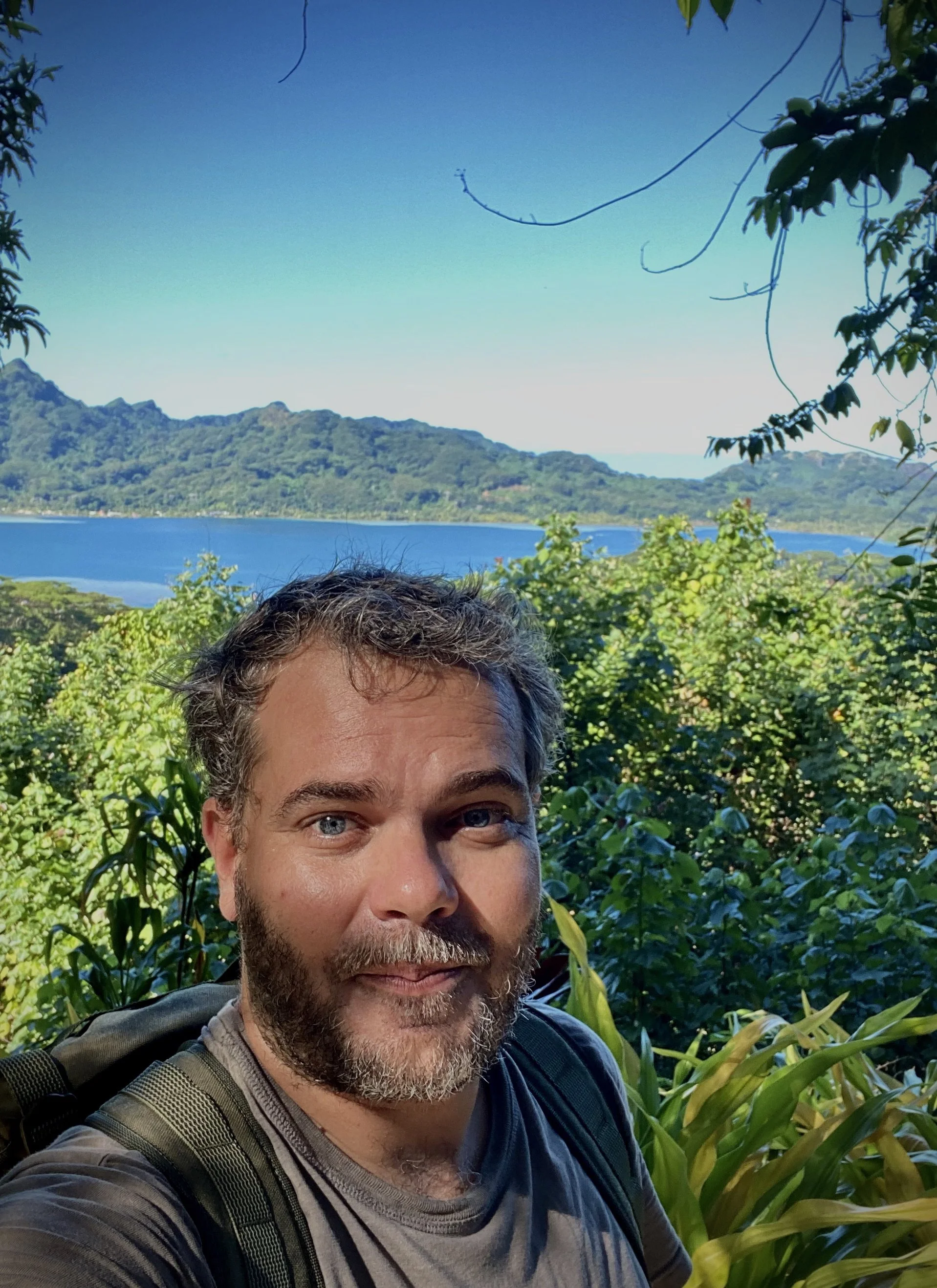
David Ringler
David Ringler is the founder of Kiore and an island ecologist with over fifteen years of hands-on experience removing invasive mammals from islands around the world. He holds a PhD in island ecology from the University of La Réunion, where his research on invasive rats and cats still underpins how he approaches problems in the field today. Across his career he has worked the full arc of island restoration — feasibility, operational planning, field implementation, non-target risk assessment and long-term biosecurity — on projects ranging from the sub-Antarctic to the tropics. What ties it all together, for David, is simple: every project — the smallest islet or the largest atoll, and whatever challenges come with it — serves the same goal of protecting global biodiversity, and no island is too small to matter. Now based at the foot of the Jura mountains after a life largely spent in the islands, he still feels their pull — and goes back, project after project.
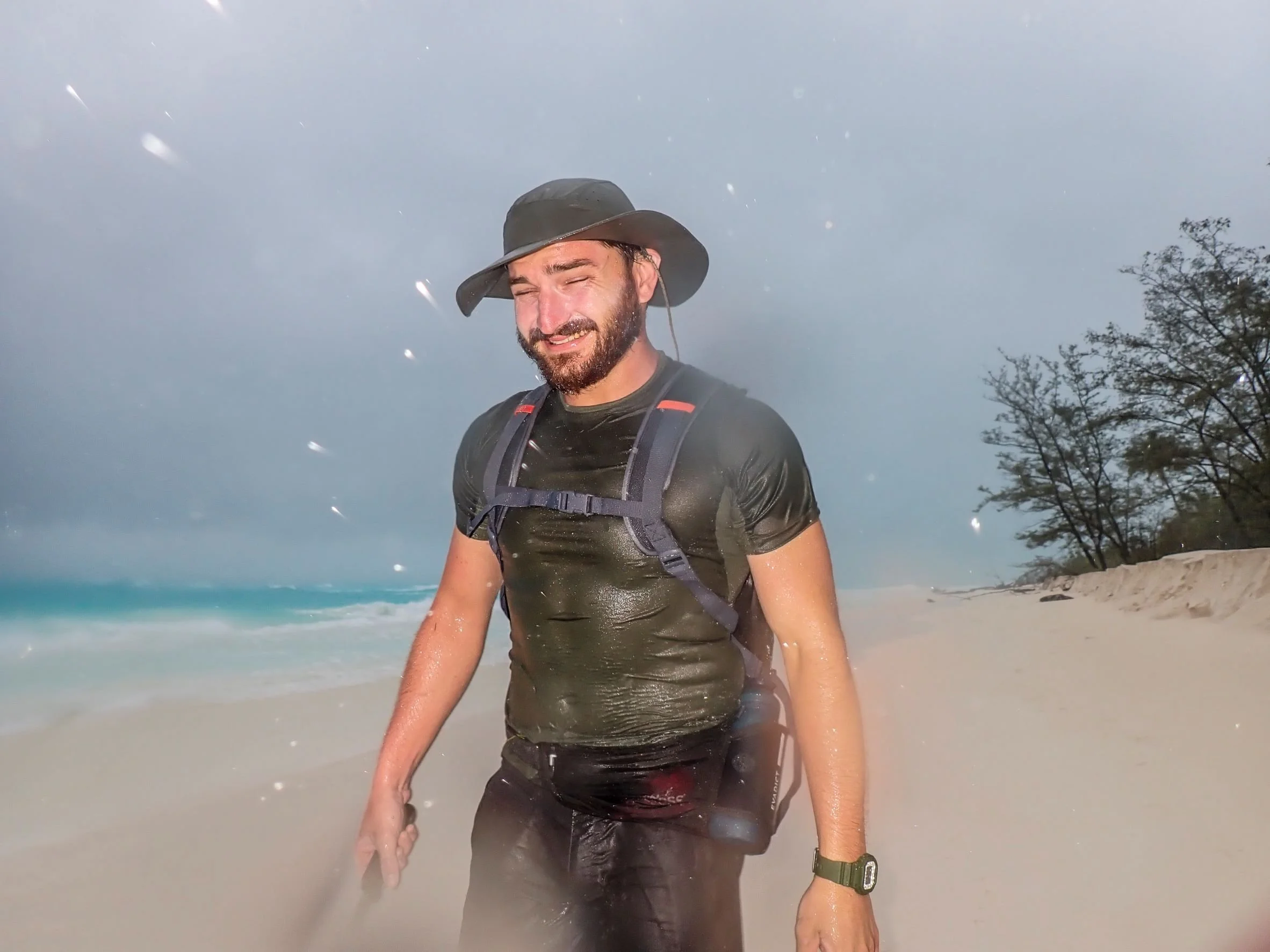
Martin Cagnato
Martin is Kiore's field operations lead. He grew up in a family of hunters, and it was hunting that first brought him close to wildlife — until he swapped the rifle for a camera and went to study ecology, earning a master's at the University of Bordeaux. After four years of faunal survey work in France, he found his path in island conservation, joining TAAF, where he led and coordinated several eradication campaigns across the Îles Éparses. He went on to become the SIF field team leader for the Aldabra rat and cat eradication assessment — the most ambitious eradication ever attempted on a tropical island. Martin brings a rare mix to this work: the eye of an ecologist and the craft of a trapper, held together by a firm belief that eradication should be as humane as it is effective. From monitoring wildlife to planning campaigns and leading teams on the ground, he covers the whole span of an operation — with the fitness, the rigour and the steadiness that hard island work demands.